
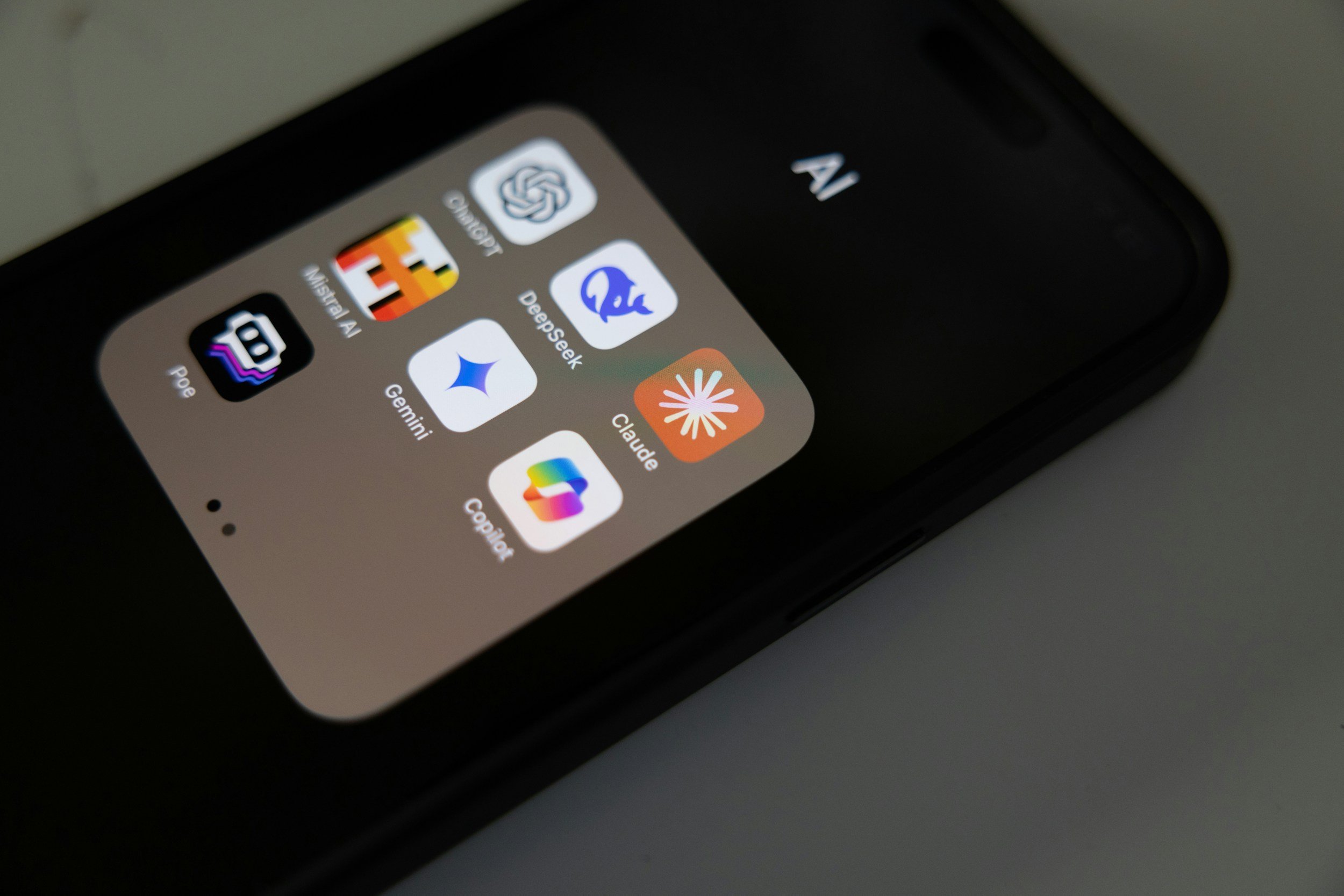
Why AI Should Never Be Your Coach, Therapist, or Counselor
One of the biggest misconceptions about AI is that it “knows” the answer. It doesn’t. At its core, it is predicting what word is most likely to come next, then the next, and then the next, based on the patterns it learned during training. It is not stopping to reflect on your life, weigh the long-term consequences, or ask itself whether what it just generated is true, wise, or appropriate for your specific situation.
AI does not have beliefs, lived experience, intuition, judgment, or personal responsibility. It does not understand your life, your relationships, your business, your history, or the people involved in the way a human being can. It only knows the version of the situation you typed into the conversation, and it builds a response around that information.
That response may still sound compassionate, intelligent, and completely certain. It may use the right terminology, organize your thoughts beautifully, and say exactly what you were hoping to hear. That is what makes taking it at face value so dangerous. AI is exceptionally good at generating language that sounds convincing, but sounding convincing and being correct are two very different things.
A polished answer is not the same as truth. Validation is not the same as accuracy. And a predictive language model should never be given the final authority over decisions that can affect your marriage, mental health, career, finances, family, or future.

The Importance of Focusing on What Is Right Instead of What Is Wrong
What if constantly focusing on what’s wrong is part of what’s keeping you stuck? Explore why this pattern can be especially powerful in autism, ADHD, giftedness, and neurodiverse relationships, and discover a practical, faith-grounded approach to growth, mindset, and lasting transformation.