
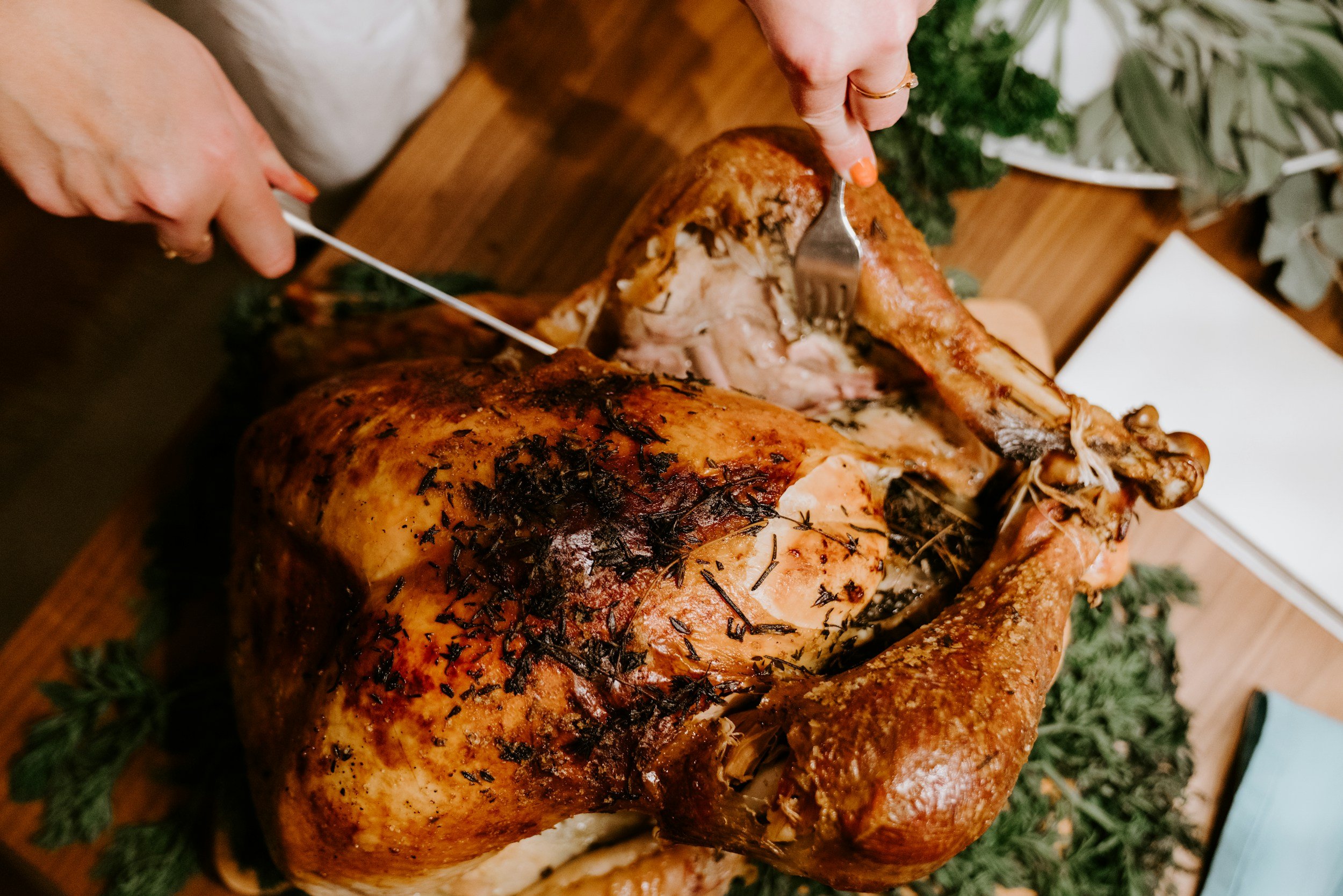
I used to dread Thanksgiving… I have always loved the holiday, making food, spending time with family and friends, but that changed. I dreaded how stressed it made my husband and surrounding family. Stress, chaos, anxiety, meltdowns, shutdowns, masking… I craved lighthearted days experimenting in the kitchen, laughing, and enjoying one another.
I’m thankful to say those days are back. Our family LOVES Thanksgiving again. We have set out to make it fun and enjoyable. We make fun food, we relax, we laugh, and we make sure that we go about it in a way that works for us. I now look forward to it every year!
Thanksgiving in a Neurodiverse Family
Holidays bring joy, tradition, great food, and a chance to slow down. They also bring noise, crowds, expectations, and unspoken rules. For neurodiverse families, that mix can be both meaningful and overwhelming. When you add packed schedules, long conversations, travel, sensory overload, and family dynamics, it’s easy for Thanksgiving to become a pressure cooker instead of a celebration.
If you’re facing Thanksgiving with autism, ADHD, sensory sensitivities, anxiety, or a mix of neurodivergence in your home, you’re not alone. Many couples and families tell me this is one of the hardest holidays of the year. It’s a perfect storm of social pressure, unpredictable environments, and expectations that don’t always line up with how a neurodivergent brain works. And realistically, if someone in the family is neurodiverse, its likely that multiple family members are, all having different needs, which can up the pressure even more.

The good news is that with clarity, planning, and honest communication, Thanksgiving really can be peaceful and enjoyable. Here are some practical tips to help you and your family walk into the day with confidence, connection, and a whole lot less overwhelm.
1. Acknowledge That Social Pressure Hits Neurodivergent Family Members Differently

For a family member with autism, the pressure of extended family gatherings is more than “a lot of people in one place.”
It’s:
nonstop conversation
shifting social cues
unstructured time
unexpected touch or hugs
multiple sensory inputs hitting at once
family members who may not understand autism
That combination can lead to overstimulation, shutdown, or meltdown, even if everything “looks fine” on the outside.
Your neurodivergent spouse isn’t trying to be difficult. Their nervous system is simply working harder than everyone else’s. Recognizing that reality is an act of compassion, not compromise.
2. Remember That the Holidays Are Supposed to Be Joyful, Not Perfect

Somewhere along the way, we all absorbed this idea that the holidays must look like a Hallmark movie. Perfect table setting. Perfect conversation. Perfect behavior. Perfect memories.
Here’s the truth:
Hallmark is scripted. Your family is real.
Real life comes with sensory needs, different communication styles, kids who get tired, adults who get overwhelmed, introverts who need breaks, and moments that don’t go as planned.
The goal is not perfection.
The goal is joy.
Keep it lighthearted. Lower the bar. Let go of the pressure to perform. The world’s expectations don’t get to dictate the atmosphere in your home. You do.
If people are late, go with the flow. If the food gets burned, laugh it off as a memory to be cherished. Have fun.
When you take the pressure off, you create space for actual memories instead of stress.
3. Agree on a Clear Plan Before the Holiday Starts
Unspoken expectations are the fastest way to create frustration on both sides.
Before Thanksgiving, talk through:
How long you realistically plan to stay
What events you’re attending and what you’re skipping
Who will ride together and who might need their own car
How to exit gracefully if things get overwhelming
What situations your spouse finds most draining
What you need to enjoy the holiday too
This is not about “babying” anyone. It’s about giving everyone a fair chance to show up well.

4. Create an Exit Strategy and Treat It as Normal
Instead of waiting for signs of distress, build a normal, agreed-upon break strategy.
Examples:
“I’m going to step outside for 10 minutes.”
“I’m going to sit in the car for a sensory break.”
“I need quiet time. I’ll be back soon.”
If you treat breaks as acceptable and planned, your spouse won’t feel guilty for needing them, and you won’t feel blindsided by a sudden shutdown.

5. Protect Sensory Needs Before They Become a Crisis

Thanksgiving environments can be loud, bright, chaotic, and full of competing smells. Sensory overload is one of the biggest triggers for holiday meltdowns.
A few things that help:
Noise-canceling earbuds
Sunglasses or blue-light glasses
Comfortable clothes
Weighted lap pads
A quiet room pre-identified at the host’s house
Shorter social intervals
Taking a walk between courses or events
Taking a break immediately if the feelings of being overwhelmed kick in
Small adjustments prevent big reactions.
6. Use Scripts and Signals to Stay Connected with Your Spouse
Sometimes the hardest part of Thanksgiving is trying to communicate in the middle of chaos.
Before the day starts, create:
A simple nonverbal signal for “I need help”
A signal for “I’m nearing shutdown”
A phrase either of you can use to end a conversation politely
A plan for how to support each other if a family member crosses a boundary
This keeps you united as a team, not individuals simply trying to survive the day in parallel.

7. Set Realistic Expectations for Kids, Too
Kids in neurodiverse families often feel the sensory load as much as the adults. Make space for:
Screen breaks
Quiet corners
Shorter visits
A backpack with comfort items
A plan if they hit their limit
Emotionally regulated kids make the day easier for everyone.

8. Communicate With Family in Simple, Direct Terms

You don’t owe anyone a long explanation, and you don’t need to defend the adjustments you make.
Simple wording works best:
“We’re taking a quick break.”
“He needs a quiet space to reset.”
“We’ll be staying for two hours today.”
“We’re not doing hugs this time.”
Boundaries aren’t rude. They’re healthy.
9. Don’t Try to Make Thanksgiving “Perfect”: Make It Meaningful

Perfectionism is the enemy of connection. Your family doesn’t need a flawless holiday. They need a peaceful one.
Think about what your family will remember:
laughing in the kitchen
playing a game together
a walk after dinner
the kids helping bake
inside jokes
a moment of quiet gratitude
They won’t remember whether the table was staged for Pinterest.
But they will remember how the day felt.
Make it enjoyable for everyone. Keep it simple. Keep it human. Keep it kind.
10. Debrief After the Holiday

The real growth comes after the event.
Sit down together and ask:
What went well?
What felt overwhelming?
What do we want to change for next year?
Did we stay connected as a team?
What could make the next holiday easier?
These conversations build long-term understanding instead of repeating the same painful patterns every year.
Final Thoughts
Thanksgiving doesn’t need to be perfect. It needs to be fun, peaceful, authentic, and tailored to your family’s real needs.
When you let go of unrealistic expectations, you free yourself to enjoy the moments that matter. You create room for joy. You create room for connection. You create room for the kind of memories your family will carry long after the dishes are washed.
If you need help preparing for the holidays, handling neurodiverse marriage dynamics, or creating routines that reduce overwhelm, I’d love to support you. This is exactly the kind of work I do with couples and individuals every day through Neurodiverse Coaching.
Your Thanksgiving can be peaceful. Your marriage can stay connected. Your family can be a blessing. And you can enjoy the day without sacrificing anyone’s wellbeing.
As always, if you need any support, please reach out! If you have an urgent need for coaching, please email meg@neurodiversecoaching.com to see if there is open availability after hours, even on Thanksgiving! You can always feel free to self schedule in advance at the link below. Happy Thanksgiving!
Read next: Stop Overcomplicating It